1. Specific Problem (Search Intent & Pain Point)
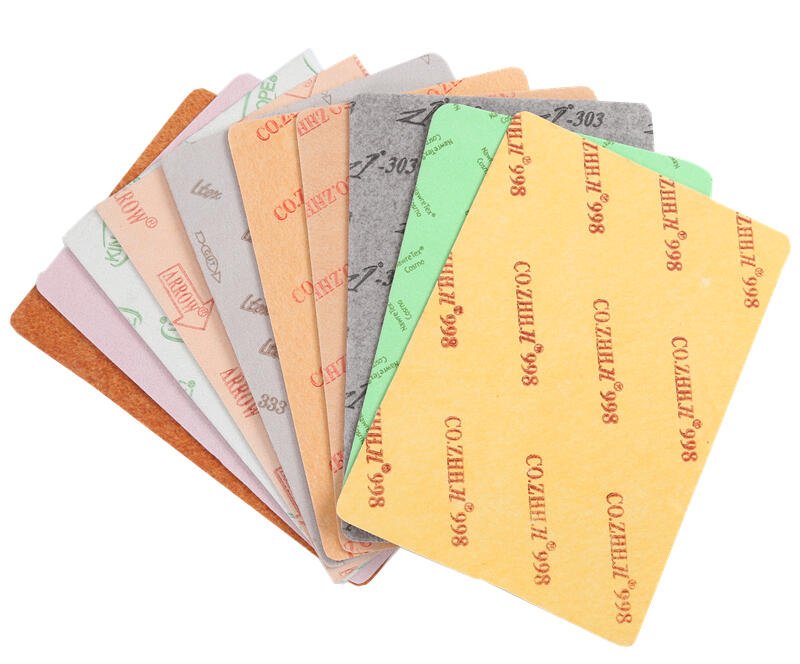
When developing mid-to-high-end casual shoes, children’s footwear, or structured leather shoes, shoe manufacturers and brand developers often face a tough dilemma: Should we use non-woven fiber insole boards or traditional paper insole boards? Choosing the wrong material can lead to severe customer complaints down the road—such as collapsed arches, moisture absorption in humid climates, or broken heel counters during the lasting process. Importers and factory managers need a clear, professional material comparison to eliminate production defects and reduce product returns.
2. Evaluation Method (How to Choose Like an Expert)
To determine whether to source non-woven fiber board or paper board for your next production run, evaluate your footwear requirements against these three strict criteria:
- Moisture & Sweat Resistance: Test how the material performs under continuous humidity and foot sweat. In tropical markets or athletic use, low-cost paper boards soften, lose stiffness, and delaminate. In contrast, resin-impregnated non-woven fiber boards maintain structural stability and dimensional integrity.
- Flexibility vs. Snap Resistance: Bend the insole board at a 45-degree angle. High-grade non-woven fiber boards spring back without breaking, whereas recycled paper boards may crease or crack permanently under stress.
- Cost vs. Application Tier: Reserve high-strength non-woven fiber boards for structured footwear (e.g., children’s shoes, vulcanized shoes, outdoor footwear) where durability is non-negotiable. Use chemical-treated paper boards strictly for budget-conscious, lightweight fashion flats or indoor slippers where heavy-duty support is not required.
3. Real Data & Factory Specifications
- Non-Woven Fiber Board Specs: Typically manufactured in thicknesses ranging from 0.75mm to 3.0mm. It features high tensile strength, excellent air permeability, and is treated with high-solid resin emulsions to ensure zero degradation when exposed to sweat.
- Paper Insole Board Specs: Composed of recycled wood pulp combined with synthetic latex binders. Standard density ranges from 0.45g/cm³ to 0.65g/cm³, optimized for lightweight stiffness in entry-level structured footwear.
4. Product Link & CTA (Private Domain Lead Generation)
- Explore Our Materials: Browse our professional collection of durable shoe components on the KingHope Group.
- Next Step (Get Free Samples): Struggling with material selection or need customized specifications for your upcoming seasonal collection? Send your shoe drawings or technical requirements directly to our technical team today to request free laboratory samples and fast-dispatched swatch books!